GCanner: a molecular scanner to analyze the genome of the parasite that causes Chagas disease
Scientists from CONICET and UNSAM create a bioinformatics tool that studies the genome of Trypanosoma cruzi
13/08/2026
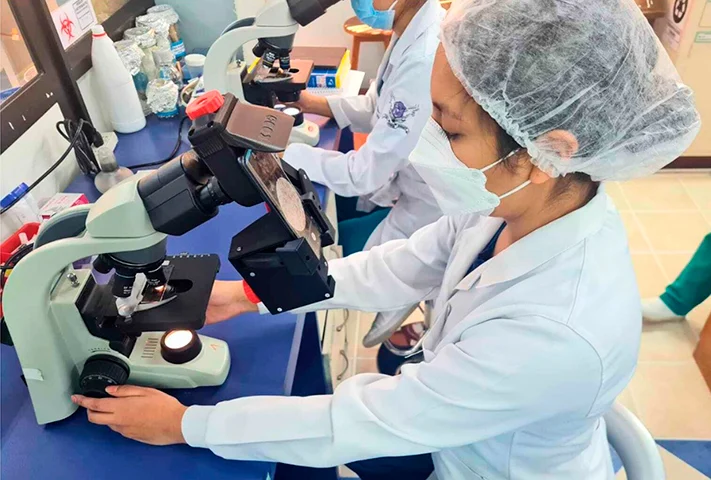
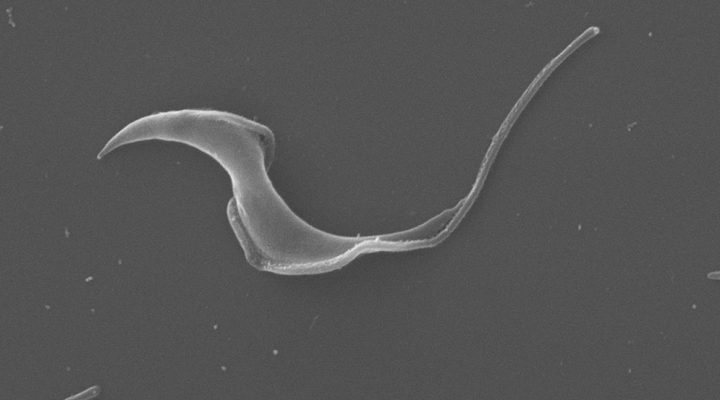
A team of scientists from CONICET and the National University of San Martín (UNSAM) in Argentina has developed GCanner, an innovative bioinformatics tool designed for the rapid and automated analysis of the Trypanosoma cruzi genome, the parasite responsible for Chagas disease.
Traditionally, individual laboratories have relied on their own specific criteria to interpret data, leading to discrepancies and results that are difficult to compare. This new platform operates as a molecular scanner that standardizes analytical criteria, thereby eliminating human bias and enabling scientists worldwide to study the parasite under the exact same conditions.
GCanner innovates through its ability to partition the parasite’s complex genetic map into two major zones based on its elemental chemical composition, removing the need for manual interpretation of each gene function. On one hand, it localizes stable or “central” regions (referred to as core regions), which contain the essential genes required for the organism’s survival and are shared with related pathogens, such as the one causing leishmaniasis. On the other hand, it detects “disruptive” regions—highly unstable and variable zones that harbor the so-called virulence factors. These latter genes are strategically utilized by the parasite to invade human cells and camouflage itself, evading the defenses of our immune system.
To validate the efficacy of this system, the team utilized the “RA” strain as a reference model, a native Argentine variant that is particularly aggressive and used in laboratory settings to replicate the most severe cases of the disease. In a previous study, scientists from the Institut Pasteur de Montevideo successfully sequenced the full genome of this local strain with high precision. They discovered that the parasite possesses an arsenal comprising approximately 17,000 shared genes and nearly 7,000 exclusive genes dedicated entirely to attacking humans. By applying the GCanner software to this high-resolution genetic map, the researchers were able to pinpoint the exact coordinates of each of those 7,000 offensive genes. This research is detailed in the scientific publication Methods in Molecular Biology.
The standardization provided by GCanner could open a new era in the fight against Chagas disease; by thoroughly understanding the biological structure of these strains, it paves the way for designing significantly more precise diagnostic tests and advanced medical treatments tailored to each variant of the parasite.
SHARE
Other news