

Antiparasitic activity of synthetic peptides derived from the skin of amphibians against Malaria, Chagas and Leishmaniasis
CISeAL
CISeAL, Pontificia Universidad Católica del Ecuador. Quito (Ecuador)
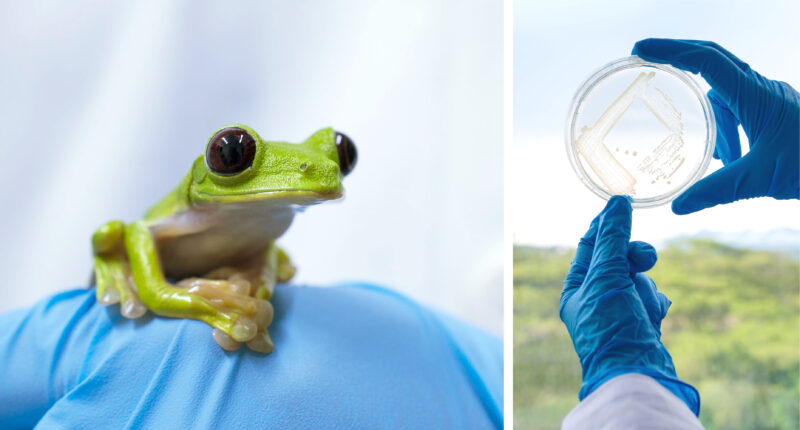
The project is executed by researchers from the Pontificia Universidad Católica del Ecuador, Ikiam and the Universidad San Francisco de Quito (USFQ) to evaluate the potential antiparasitic activity of at least five synthetic antimicrobial peptides from the skin of Ecuadorian amphibians, against Plasmodium falciparum, Trypanosoma cruzi and Mexican Leishmania, causal agents of malaria, Chagas disease and leishmaniasis, respectively. Preliminary information shows the antimicrobial capacity of these peptides, in combination with their low toxicity against human cells, which suggests that they will also be able to inhibit or control parasites, without causing adverse effects in infected people, and with a low probability of provoking resistance.
SHARE
Related projects

