Global consensus to advance Rapid Diagnostic Tests for Chagas disease
Experts and partners of the Chagas Coalition established a roadmap for improving the development, evaluation, and implementation of new diagnostic tools for Chagas disease
16/07/2026
A recent article published on Springer Nature presents the conclusions of the largest international expert meeting on rapid diagnosis for Chagas disease ever held. In May 2024, more than 40 specialists gathered in Buenos Aires, Argentina, under the leadership of FIND, the Pan American Health Organization (PAHO), DNDi, and other partners of the Chagas Global Coalition, to establish a roadmap for improving the development, evaluation, and implementation of new diagnostic tools.
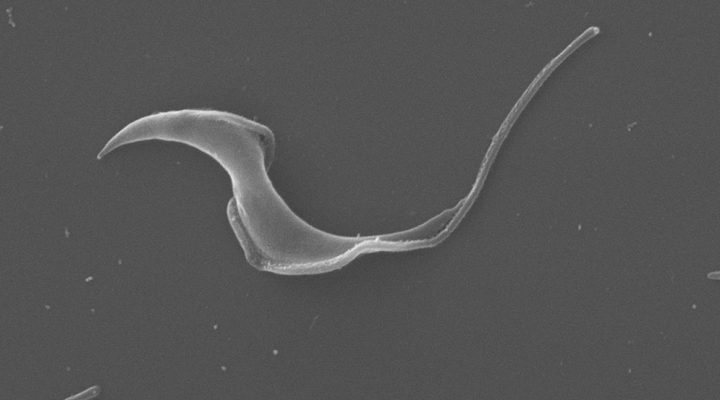
Rapid Diagnostic Tests (RDTs) are among the most promising tools for expanding access to Chagas disease diagnosis. However, experts agree that technological innovation alone will not be enough to close the enormous diagnostic gap: today, fewer than 10% of people infected with Trypanosoma cruzi are diagnosed, and only a small proportion receive treatment.
Towards Harmonized Evaluation of Rapid Diagnostic Tests
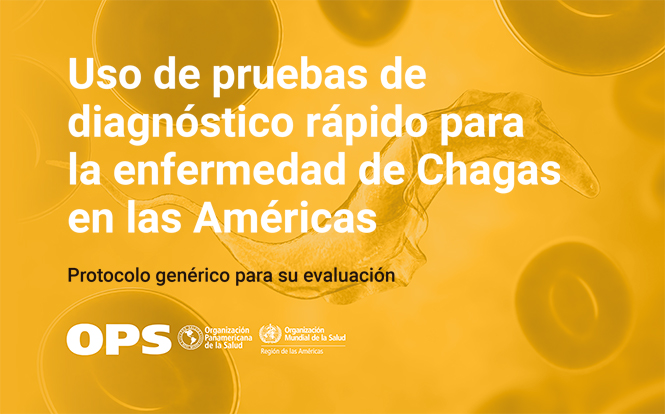
One of the meeting’s main achievements was the agreement on a harmonized protocol for evaluating RDTs, ensuring that studies conducted in different countries produce comparable results and generate robust evidence for their incorporation into national health systems.
The experts recommended validating RDTs using autochthonous samples from each country, applying standardized reference methods, and establishing minimum performance criteria, including sensitivity above 92% and specificity above 95%. This protocol has already been published by PAHO as the regional guideline for the Americas.
The Future of Molecular Point-of-Care Diagnostics
The consensus also highlights the need to accelerate the development of point-of-care (POC) molecular diagnostics, particularly for the diagnosis of acute infection, congenital transmission, and disease reactivation.
These tools should be rapid, simple, affordable, and suitable for use in primary healthcare settings, including resource-limited environments. The report also emphasizes the importance of generating additional evidence for technologies such as LAMP—which has shown very promising preliminary results in terms of effectiveness and cost-effectiveness— and qPCR before they are widely incorporated into diagnostic algorithms.
Among the experts’ main recommendations are:
- Harmonize the evaluation of rapid diagnostic tests through standardized international protocols.
- Prioritize the development of affordable molecular point-of-care diagnostics for primary healthcare, particularly for acute infection, congenital Chagas disease, and reactivation.
- Generate additional multicentre clinical evidence using locally sourced samples while accounting for the genetic diversity of Trypanosoma cruzi.
- Update the Target Product Profile (TPP) for new diagnostic tools under the leadership of PAHO/WHO to guide manufacturers, developers, and investors.
- Strengthen international quality standards, reference materials, and external quality assurance systems for diagnostic validation.
- Promote innovative financing mechanisms and regional procurement strategies—including local manufacturing, pooled procurement through the PAHO Strategic Fund, and partnerships with small and medium-sized manufacturers—to improve sustainability and equitable access.
- Establish a permanent international committee, supported by PAHO and WHO, to coordinate diagnostic priorities, harmonize evaluation efforts, facilitate scientific collaboration, and mobilize resources.
Innovation, Evidence and Equitable Access
The report concludes that economic evaluation must accompany technological innovation from the earliest stages of product development, considering not only diagnostic performance but also patient outcomes, health system impact, cost-effectiveness, and long-term sustainability.
Full article is available on Springer Nature.
Photo: testalize-me
SHARE
Other news