

Assessment of the potential role of the opossum (Didelphis virginiana) in the non-vectorial transmission of Trypanosoma cruzi
IRD (French National Research Institute for Sustainable Development)
Mexico
This project explores the role of the Virginia opossum (Didelphis virginiana) in the non-vectorial transmission of Trypanosoma cruzi, the etiological agent of Chagas disease. The study is conducted in Mérida, Yucatán, Mexico; an endemic area where D. virginiana thrives in urban and peri-urban settings and frequently interacts with domestic animals and humans. While the species is recognized as a competent reservoir of T. cruzi, its potential for transmitting the parasite via alternative routes, such as vertical (gestation and lactation) and oral (via anal gland secretions), has not been comprehensively evaluated.
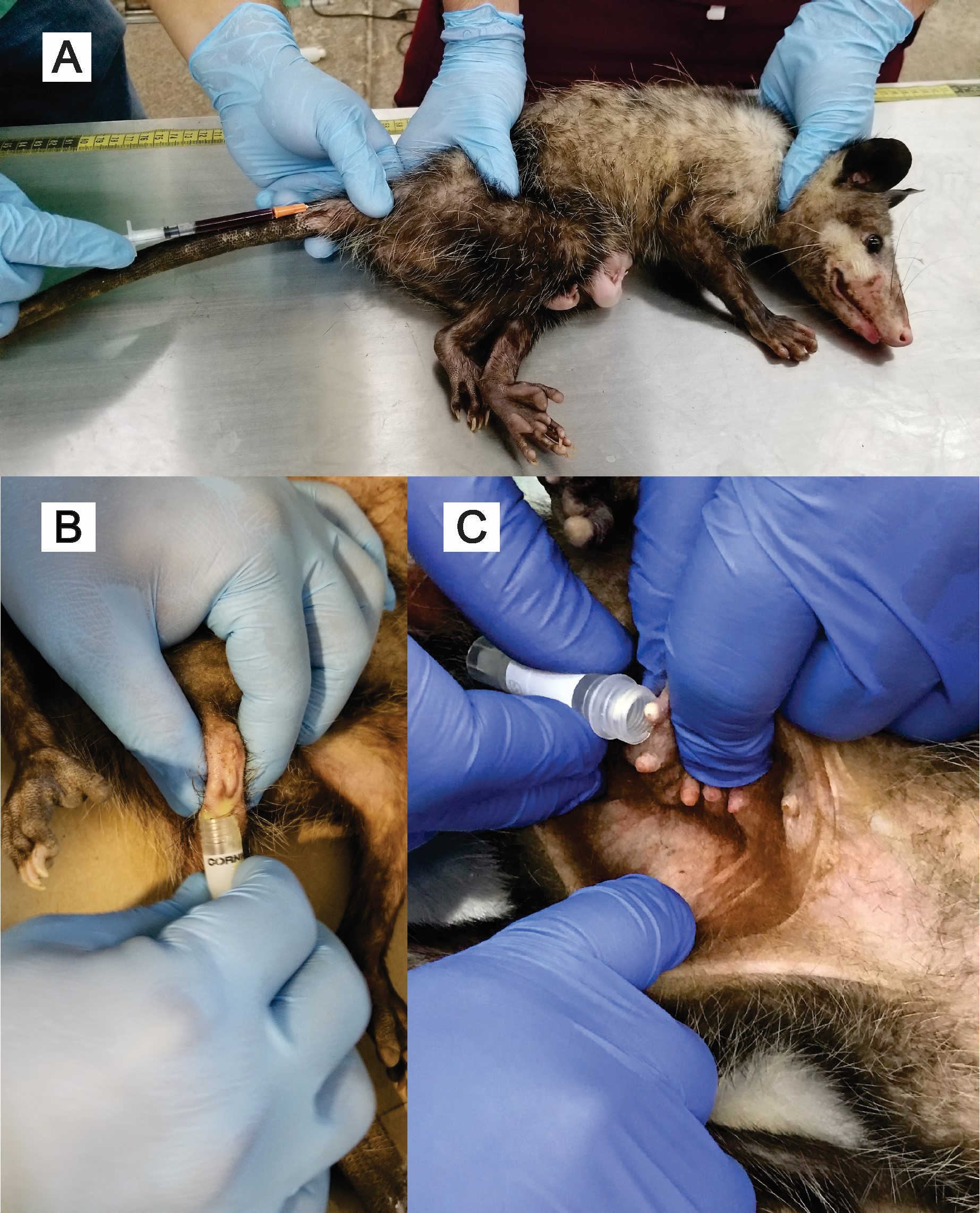
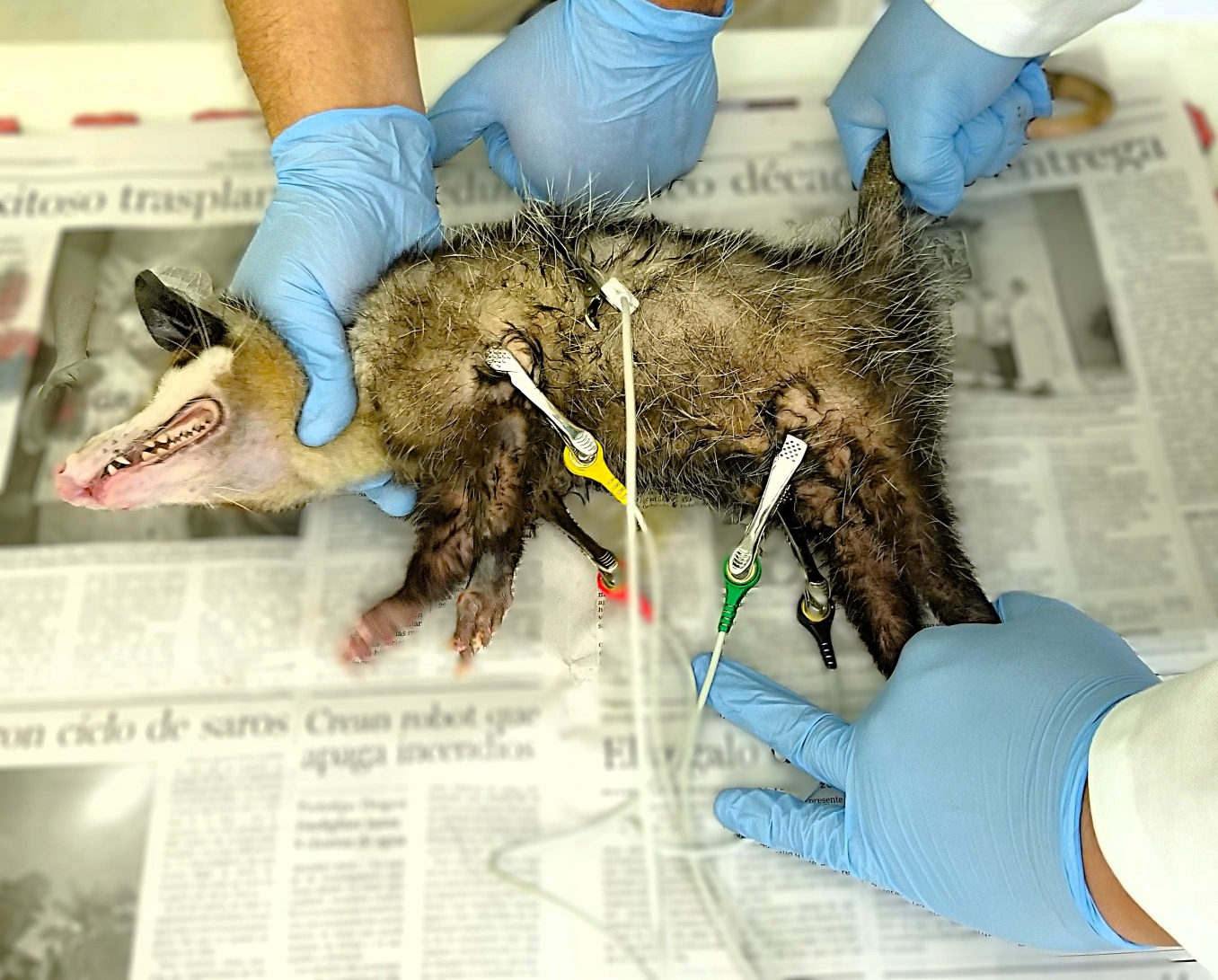
To address this gap of knowledge, the project integrates field surveillance of naturally infected opossums with a controlled experimental infection model. Specifically, it investigates:
- The possibility of vertical transmission by monitoring naturally infected females and their offspring for parasitemia and tissue dissemination.
- The dynamics of experimental infection, including parasitemia, immunosuppression-induced dissemination, and potential colonization of anal glands or mammary tissue.
This One Health-oriented project employs a multidisciplinary approach combining parasitological, histopathological, molecular, and clinical assessments. Results indicate that D. virginiana maintains prolonged blood parasitemia with minimal dissemination to peripheral tissues, including anal glands and milk. No cases of congenital or lactational transmission were detected. These findings suggest that in D. virginiana, non-vectorial routes of transmission may be rare, contrasting with patterns reported in South American marsupials like D. marsupialis. This underscores the importance of considering species-specific evolutionary and immunological traits when evaluating zoonotic transmission risks.
Ultimately, this research contributes to a better understanding of reservoir competence, zoonotic potential, and epidemiological dynamics of Chagas disease in Southeastern of Mexico urban ecosystems.
PARTNERS
- Intertryp Research Unit (IRD)
- Parasitology Lab (CIR-UADY)
- Universidad Autónoma de Yucatán (UADY)
SHARE
Related projects

